


GEO for Shopify stores, in order.
Where to start if your store runs on Shopify: metafields, structured data, robots.txt and the descriptions themselves.
Written by: SlateCreated on: 15 October 2026 · 2 min read
If your store runs on Shopify, most of what AI needs from your product pages is already within reach of the admin and the theme editor. Here’s where we’d start, in order.
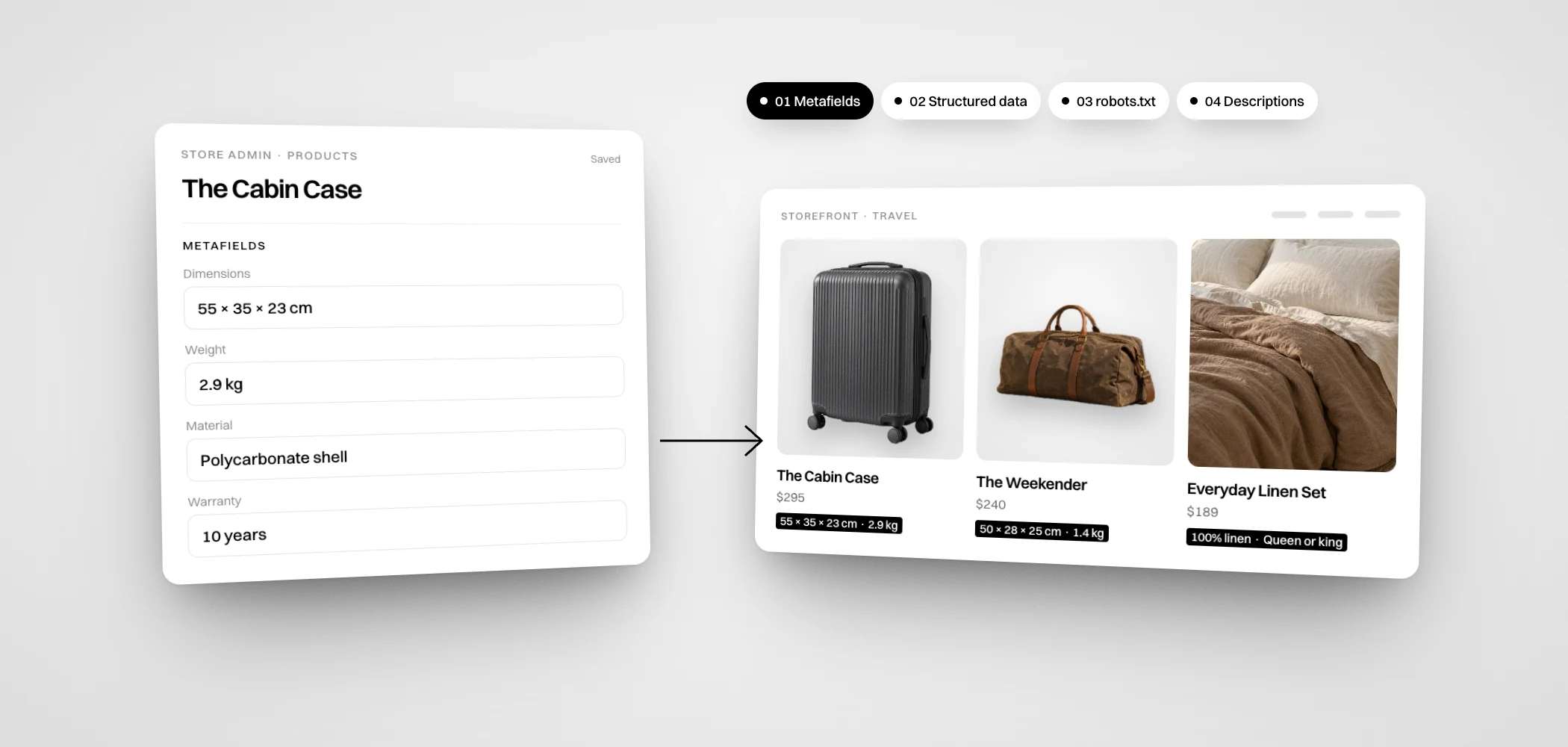
1. Put the specs in metafields, and on the page
Shopify’s metafields let you store structured details for each product: dimensions, weight, materials, capacity, care. Connect them to your product template so they show up as text on the page, not only inside an image or a tab nobody opens. Once they’re in metafields they stay consistent across every product, which also makes them easier to keep accurate.
2. Check the structured data your theme outputs
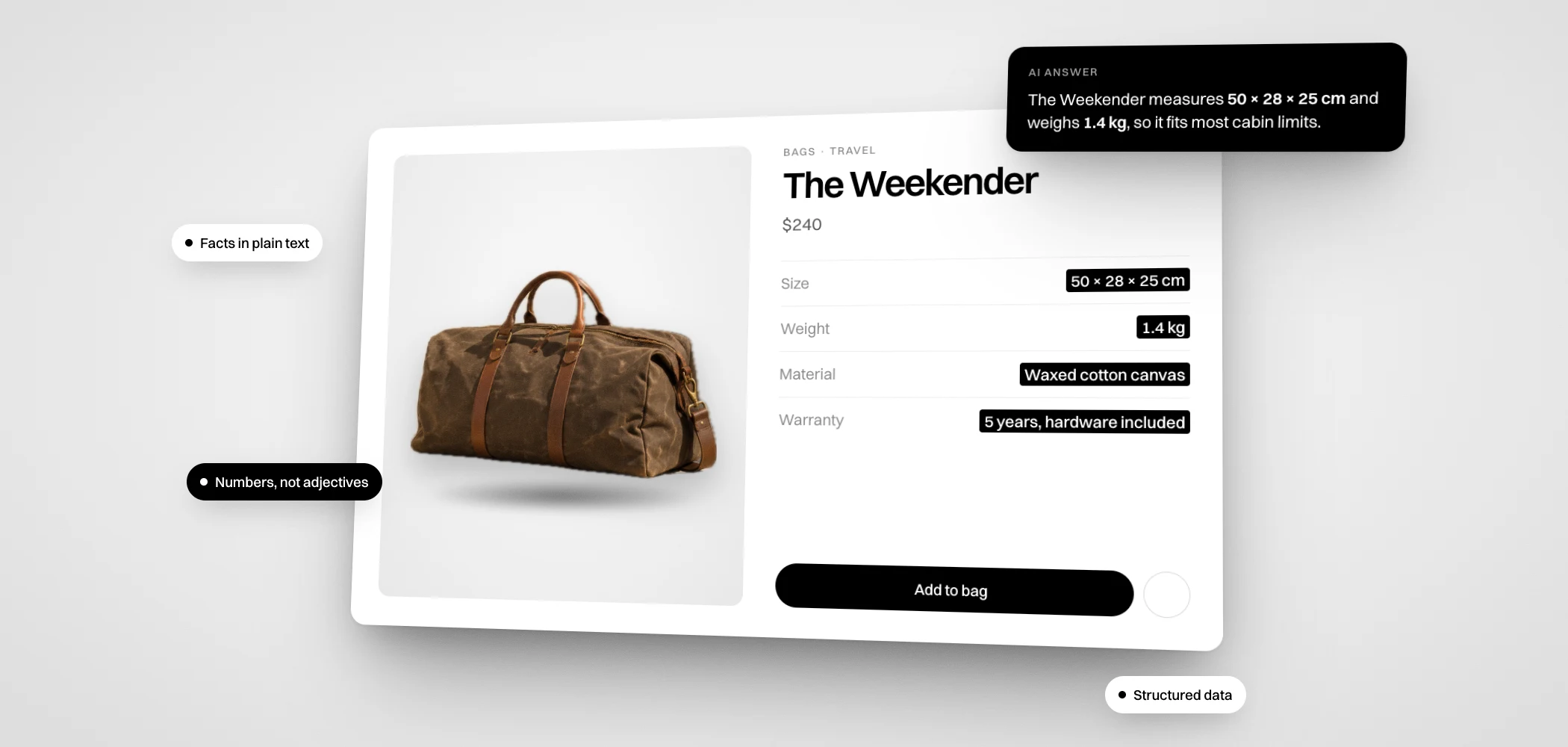
Many Shopify themes output basic product structured data automatically. Run a product URL through a structured data testing tool, or our product page checker, and look at what’s actually there: name, brand, price, availability, ratings, identifiers. Gaps here are usually fixable in the theme.
3. Look at your robots.txt
Shopify generates a robots.txt file for every store and lets you customize it with a robots.txt.liquid template. If you or an app have added rules, make sure you’re not blocking the crawlers AI search tools use to find pages, like OAI-SearchBot for ChatGPT search and PerplexityBot for Perplexity.
4. Rewrite descriptions around questions
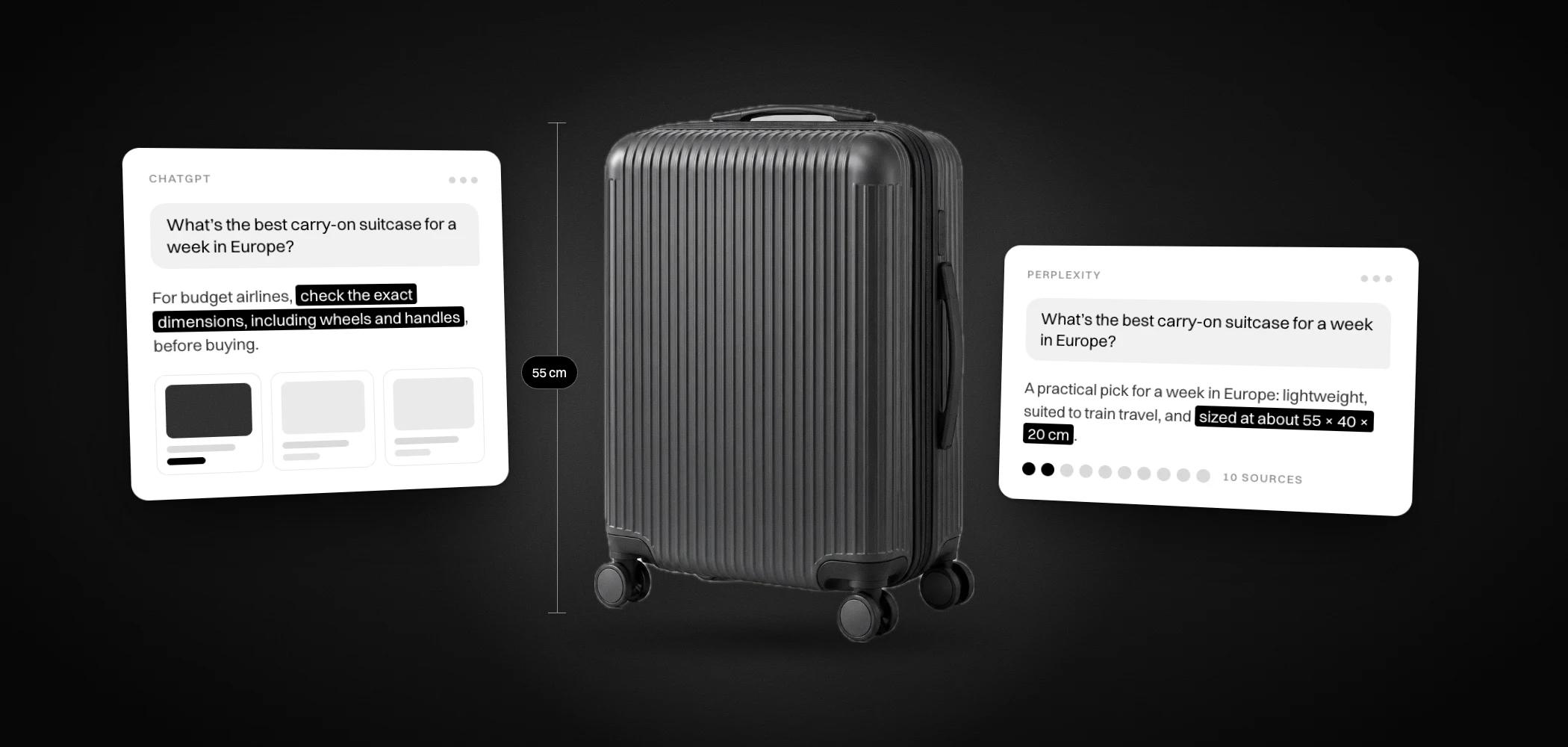
Most product descriptions are written to sound good. Rewrite the first few lines to answer the question your customers ask most before buying: will it fit, what’s it made of, how does it compare. Keep the brand voice, and add the facts.
5. Give every image real alt text
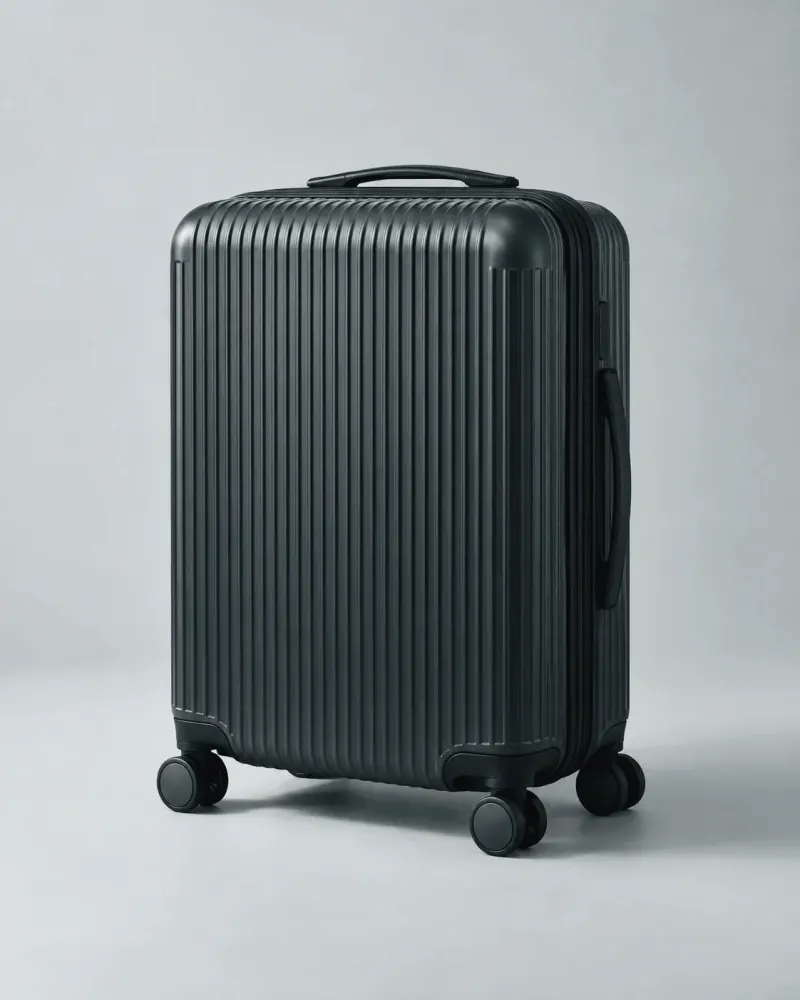
Shopify lets you edit alt text on every product image. Describe what’s in the photo, including the detail it shows: graphite carry-on with wheels and handle retracted, side view
beats product image 3
.
6. Write the buying guide your category is missing
Answers lean on guides and comparisons. A genuinely useful guide on your own blog, built around the decision your customers make, gives answers a source to cite that knows your products better than anyone.
7. Fix your listings everywhere else
If you sell through retailers or marketplaces, check that their listings carry the same facts as your store. An old size or a wrong material on someone else’s page can end up in an answer about yours.