



ChatGPT ads for ecommerce: what we know.
How the ads appear, how campaigns are built, and what to have ready before you start. From OpenAI’s own documentation.
Written by: SlateCreated on: 15 October 2026 · 3 min read
ChatGPT ads are new, in beta, and changing quickly. This is what OpenAI’s own documentation says as of 15 October 2026, and what it means if you sell online.
Where the ads appear
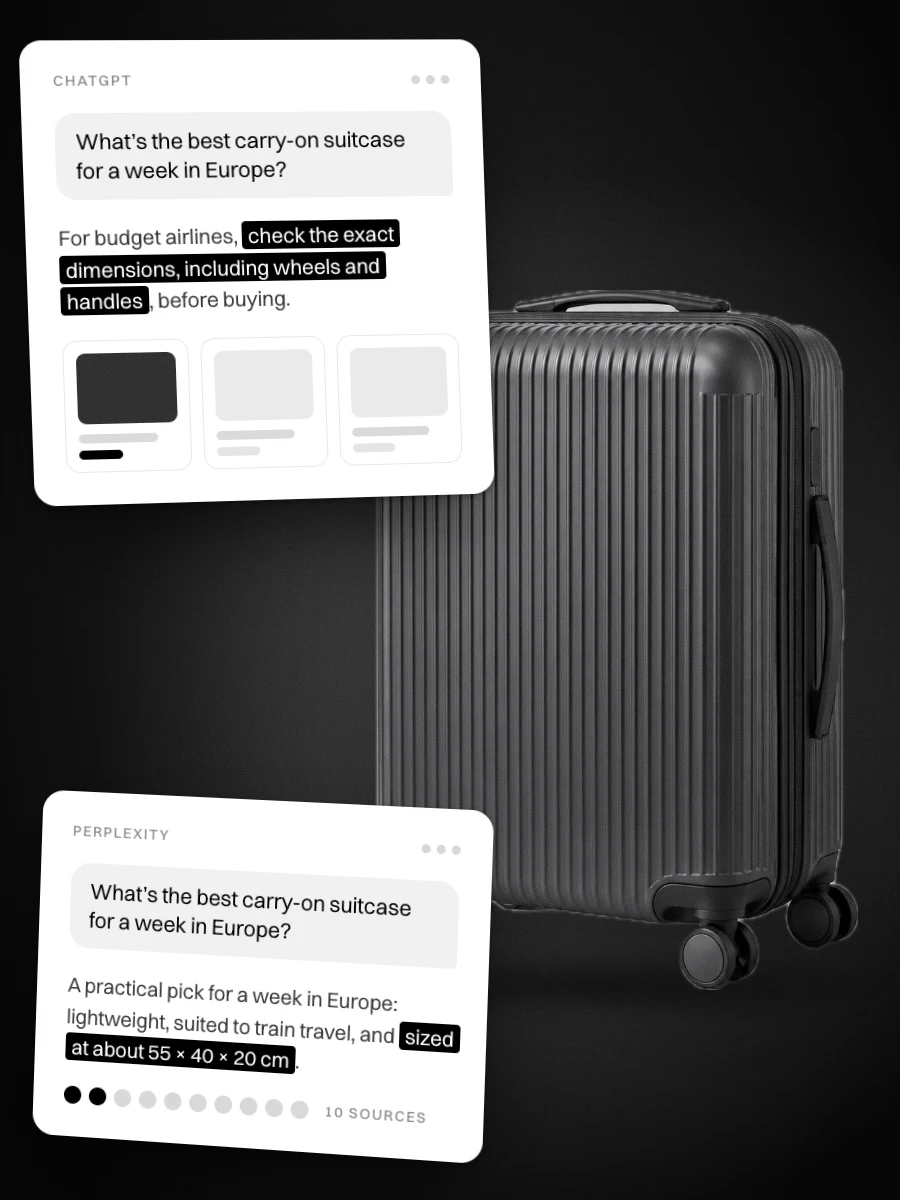
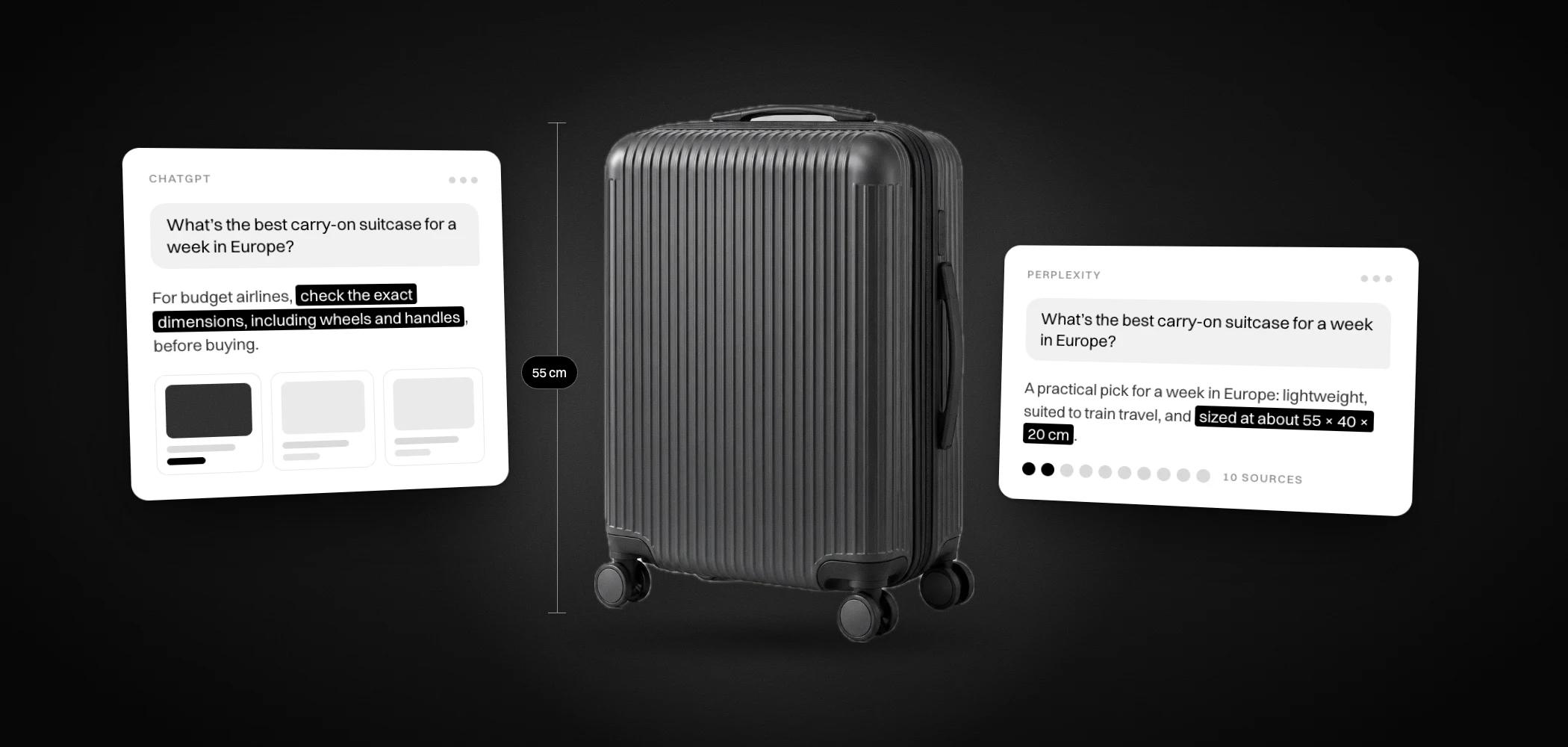
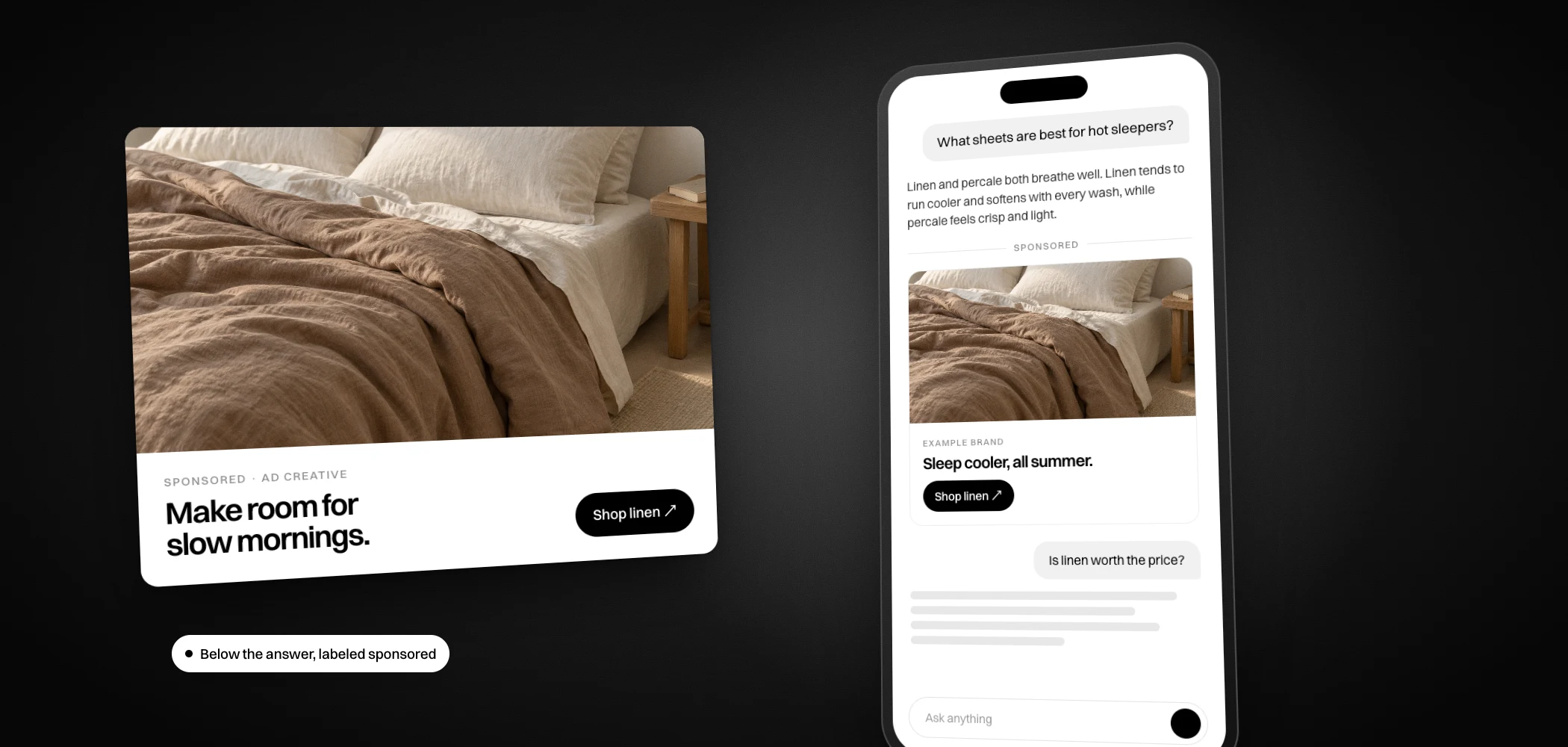
Ads can appear below the end of a ChatGPT response. OpenAI says they’re clearly labeled as sponsored and visually separated from the answer. During the current test, one or more ad units can show when there’s a relevant match to the conversation.
Who sees them
Ads may appear for people on the Free and Go plans. Plus, Pro, Business, Enterprise and Edu accounts don’t see ads. OpenAI doesn’t show ads to accounts identified as belonging to people under 18, doesn’t show them in Temporary Chats, and doesn’t place them near sensitive topics such as health, mental health or politics.
They don’t change the answer
OpenAI states that ads run on separate systems from the chat model and that advertisers can’t shape, rank or alter ChatGPT’s responses. If you want to be part of the answer itself, that’s organic visibility work, not advertising.
How an ad gets chosen
According to OpenAI, the ads system weighs expected relevance and outcomes. Its signals include the context and intent of the conversation, the ad’s landing page, title and copy, the context hints and targeting the advertiser sets, and for people with ads personalization on, select signals from their wider ChatGPT use. When several ads are eligible, relevance and bids decide which shows first.
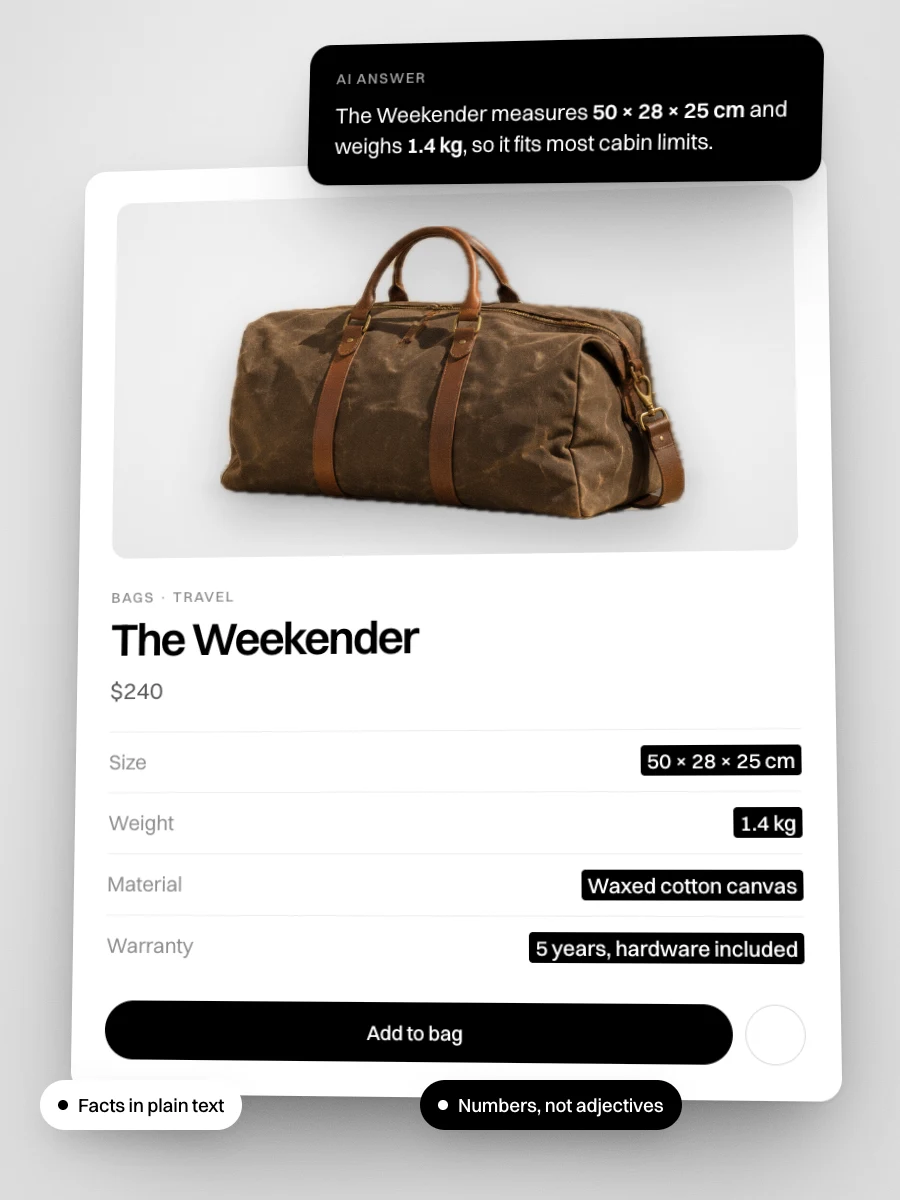
Two of those signals are pages you control. OpenAI’s OAI-AdsBot visits the landing pages submitted with ads to check them against policy, and may use their content to decide when an ad is relevant. The landing page isn’t an afterthought here. It’s part of the targeting.
How a campaign is built
- Campaign: the objective, budget, dates and targeting.
- Ad group: ads organized around a theme or intent, with context hints describing the kinds of conversations they suit.
- Ad: the title, copy, image and landing page shown in ChatGPT.
Ads go through review before they run. Campaigns can be built step by step in Ads Manager or uploaded in bulk, and there’s a product-feed campaign type, although bulk upload can’t create those yet. One practical note from OpenAI’s quickstart: start and end dates may not appear until a first campaign has been created, so don’t publish just to reach those settings.
What you can measure
Ads Manager reports impressions, clicks, spend, click-through rate, average cost per click, average cost per thousand impressions, and conversions where conversion measurement is set up. Impressions and clicks refresh roughly every 15 minutes. Spend can lag by seven to eight hours, so a zero spend figure early on doesn’t mean nothing has been charged. Advertisers only receive aggregated performance data; OpenAI says it doesn’t share people’s conversations with advertisers.
Who can advertise
Self-service access through Ads Manager is open in the United States and, as of today, 62 other countries. The business that advertises and gets billed has to be based in one of them. Larger advertisers can also work with OpenAI’s ads team or its agency and technology partners.
What to have ready
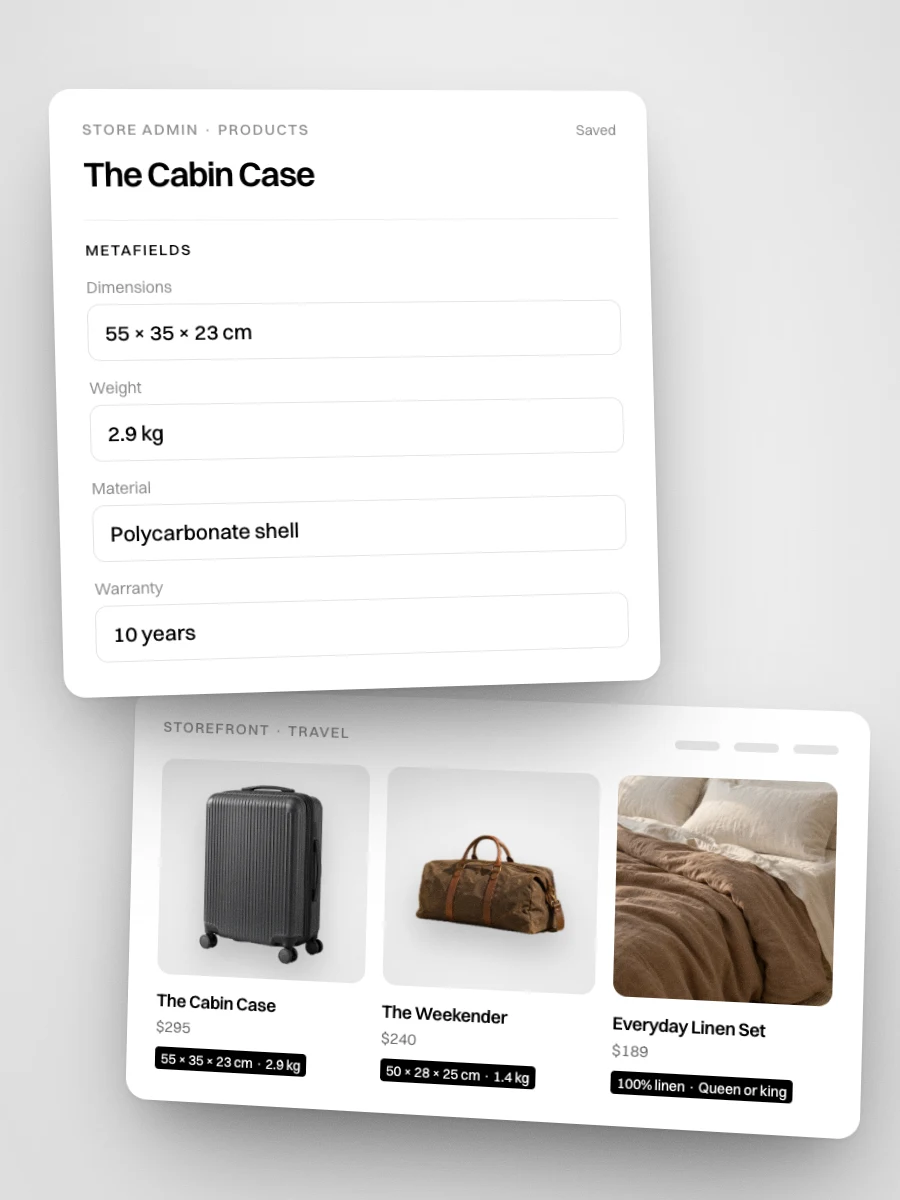
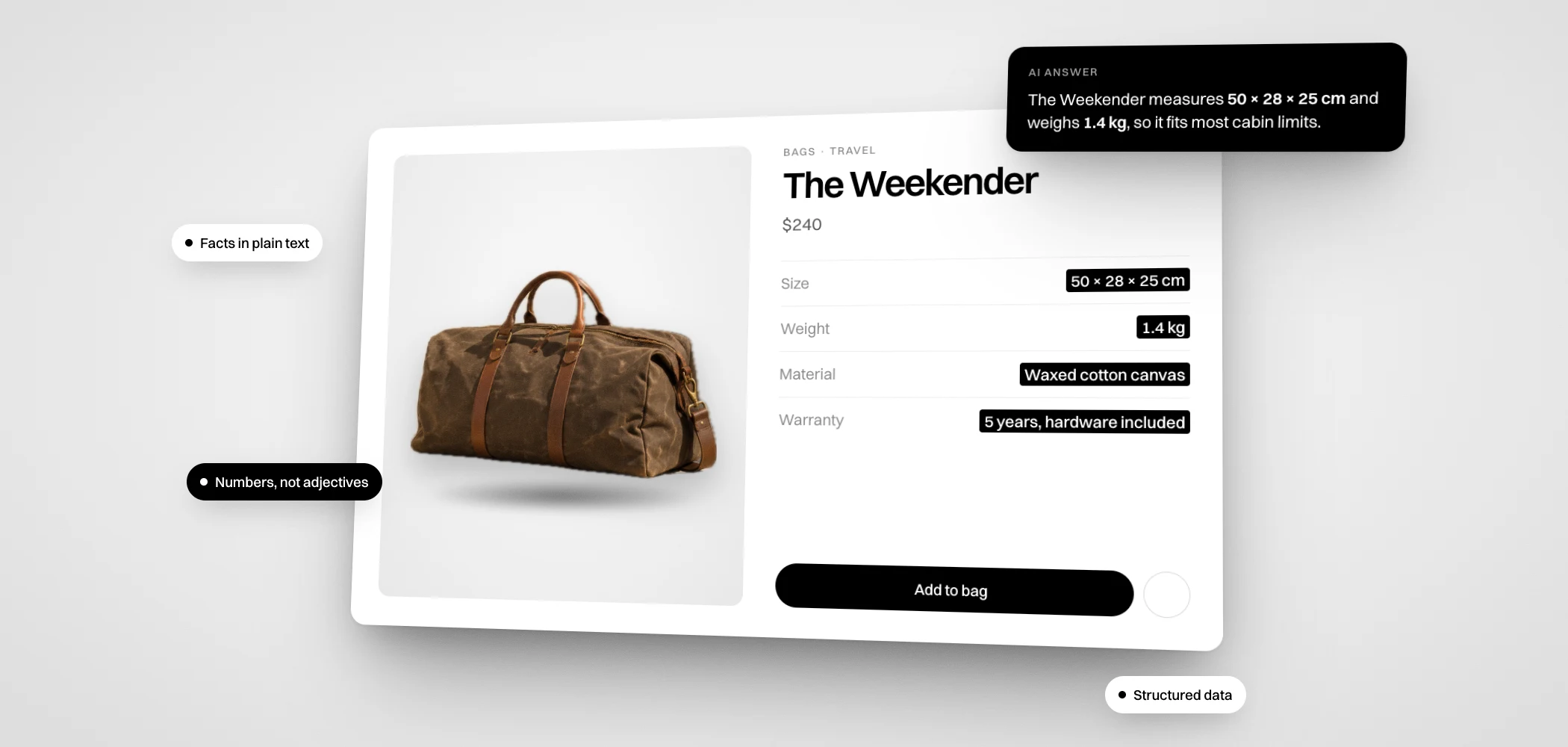
- Landing pages that keep the ad’s promise. If the ad says linen that sleeps cool, the page should say why, in plain text.
- Conversion measurement. Without it you can see clicks, but not what they were worth.
- Clear angles by intent. Ad groups are built around themes, so decide which buying needs each product answers before you write a word.
- A test budget you’re comfortable losing. It’s a beta. Treat the first month as learning.
Sources, all checked 15 October 2026: Ads in ChatGPT; Ads Manager Beta overview; Quickstart: launch your first campaign; Ads Manager availability; Overview of OpenAI crawlers.